Why Meta Glasses Are Really A VR Headset Split In Two

Meta has made VR dramatically lighter on your face by moving much of the computer somewhere else. That tradeoff tells us far more about these glasses than their specifications alone.
All featured products are selected by our editors and may include affiliate links. If you purchase through these links, we may earn a commission.
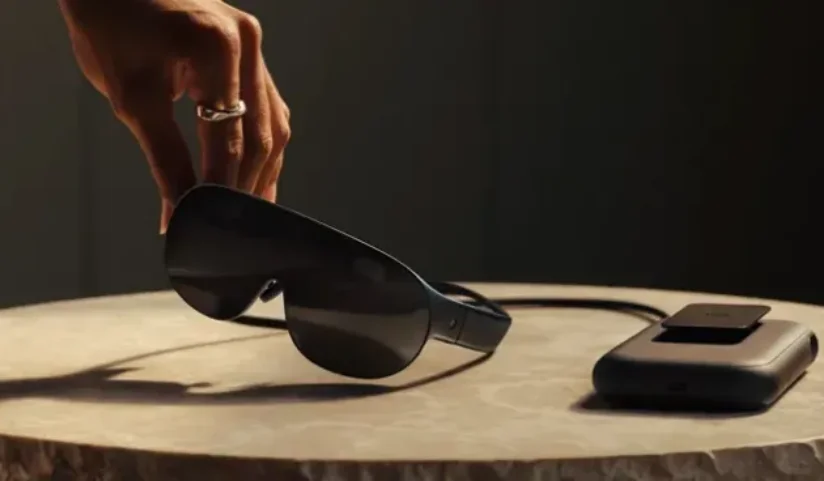
Meta glasses weighing around 100 grams sound like Meta finally managed to squeeze a virtual reality headset into ordinary eyewear. Look more closely and something more interesting has happened. Meta has divided the hardware between glasses on your face and a wired computer carried in your pocket.
That design choice could prove more important than any individual specification. It explains why the glasses are so light, where their compromises come from and why Meta thinks people who never wanted a Quest headset might finally consider VR.
Meta Made VR Lighter By Moving The Heavy Parts Somewhere Else
Mark Zuckerberg unveiled Meta VR Glasses at Connect 2026 with an unusually ambitious description. Meta says they can function as a personal cinema, courtside seat, workspace and gaming console while weighing around 100 grams on the face. They are scheduled to arrive in spring 2027.
Reaching that weight required Meta to rethink where the computer actually lives. The glasses contain displays, cameras and sensors, while processing, battery and storage are housed inside a separate compute puck connected through an optical cable.
That distinction is hard to see when seeing photographs of the glasses themselves. The 100-gram amount is for what you wear on your face, not the whole system. According to independent reporting, the puck that comes with it weighs about 300g. In practical terms, Meta has not miniaturised an entire high-end VR computer into a glasses frame. It has redistributed one.
The Split Design Tackles One Of VR's Oldest Problems
Weight has long affected how convincing VR feels after the initial novelty disappears. A headset may offer excellent displays and tracking, yet pressure across the forehead and cheeks becomes difficult to ignore during a long film, work session or game.
Recent discussion on Reddit shows why Meta's approach has attracted attention. One individual who already uses VR for coding and multiple virtual screens said resolution and tracking were not the main obstacles to longer sessions. Weight was.
So hundreds of grams in a pocket is an actual physical limitation solved. A wire and puck might seem less futuristic, but it's easier to carry weight around your waist than with your face. That could ultimately be the feature that makes Meta glasses relevant beyond enthusiasts.
These Glasses Are Very Different From Meta Ray-Ban Eyewear
Confusion is almost inevitable because Meta now sells several products that involve glasses. Ray-Ban Meta Smart Glasses belong to Meta's AI eyewear range. They are intended for everyday functions including audio, cameras, calls and AI assistance rather than immersive virtual reality.
Meta VR Glasses belong to another category. They run Horizon OS, share Meta's VR software ecosystem and can display virtual environments, games and giant digital screens. Eye tracking and hand gestures provide their primary controls, removing the requirement to constantly hold controllers.
So what are Meta glasses in this particular announcement? A useful way to think about them is as lightweight VR eyewear connected to a pocket computer. That description also prevents the 100-gram figure from creating the wrong expectation.
The Smaller Field Of View Reveals The Other Big Compromise
Reducing everything worn on the face has consequences. One of the most discussed is field of view, which determines how much of the virtual image surrounds your vision. Meta VR Glasses offer about 70 degrees horizontally. Quest 3 provides a considerably wider view. People discussing the announcement on Reddit have even simulated the new dimensions inside Quest 3 to understand what that reduction could feel like.
Responses have been divided. Some individuals see the narrower view as a serious limitation for immersive gaming, while others consider reduced peripheral immersion reasonable in exchange for a much lighter form factor. Another active Reddit discussion repeatedly raised the field of view as the main concern after the announcement.
That tradeoff hints at where these Metaglasses may work best. Watching a large virtual screen or reading documents does not necessarily demand the same peripheral vision as an immersive VR game.
Meta Is Trying To Change Where People Use VR
Quest has largely established VR as something people deliberately put on for a session. Meta appears interested in making the new glasses useful in more ordinary situations. A hands-on test by Axios included watching basketball, playing a redesigned version of Beat Saber and working across three virtual monitors.
That makes Meta's cinema, console and workspace messaging easier to understand. Those are examples of what portable VR could do rather than separate reasons for the product to exist. A laptop user could create multiple virtual displays. Someone travelling could watch a film on a huge private screen. Games can use hand tracking, while optional controllers remain available for software that supports them.
The Pocket Computer Creates New Questions About Portability
Moving hardware off the face solves the weight problem without making that hardware disappear. People still need to carry the puck, manage its cable and keep another battery charged.
Meta says the system can provide up to three hours of continuous high-resolution media playback. That sounds reasonable for a film or shorter working session, although people hoping to spend most of a working day inside virtual displays would need access to charging.
This is an important detail when evaluating Meta glasses against conventional eyewear. A pair of AI glasses can be worn while moving through everyday life with relatively little thought. Meta VR Glasses remain a computing system that requires another piece of hardware in your pocket.
The better comparison may eventually be a lightweight laptop for your eyes rather than ordinary spectacles.
A Quick Reality Check Helps Explain What You Actually Get
The easiest way to judge the announcement is to separate what has become lighter from what has actually disappeared.
- About 100 grams sits right on the face
- Processing, battery hardware in a separate puck
- The puck is still physically attached to the glasses
- Eye and hand tracking reduce dependence on controllers
- Field of view is narrower than Quest 3
- Horizon OS keeps the device connected to Meta's existing VR ecosystem
- Battery life remains something people will need to manage
This checklist makes the engineering trade much clearer. Meta has prioritised facial comfort and compact optics while accepting compromises elsewhere.
FAQs
Are Meta Glasses The Same As Quest?
Both devices operate on Horizon OS and leverage Meta’s VR ecosystem, but they’re constructed somewhat differently. With Quest, the computing hardware is inside the headset, while Meta VR Glasses shifts most of the processing hardware to a separate puck.
Do Meta VR Glasses Work Without The Puck?
The announced system relies on the connected computer for processing, battery and storage. The lightweight glasses should therefore be considered one part of the complete device rather than a standalone computer.
When Can You Buy Meta VR Glasses?
Meta currently plans to release them in spring 2027 for 1299.99 dollars. A more specific consumer release date has not yet been announced.
The important development may therefore be less obvious than Meta putting a cinema or office inside glasses. Meta has shown another route toward making a powerful VR wearable by removing weight from the place people feel it most.
The puck and narrower view show how far that idea still has to go, but the underlying design could influence what the next generation of VR looks like.
Follow TheWeeklyFind for more useful coverage of new gadgets.
Recent Blogs
-
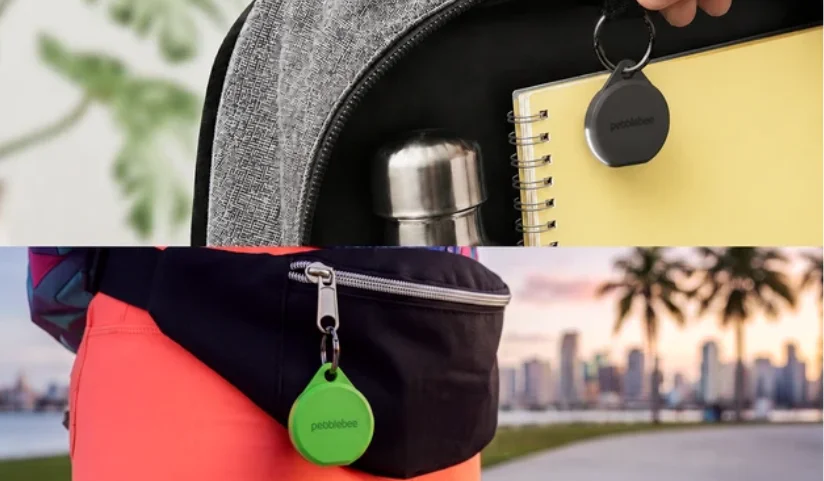
How to Use the Pebblebee Finder to Locate Your Lost Keys and Bags
Lost keys at home or left your bag somewhere? Discover how Clip 5 helps locate missing belongings and what to do when location updates stop.
-
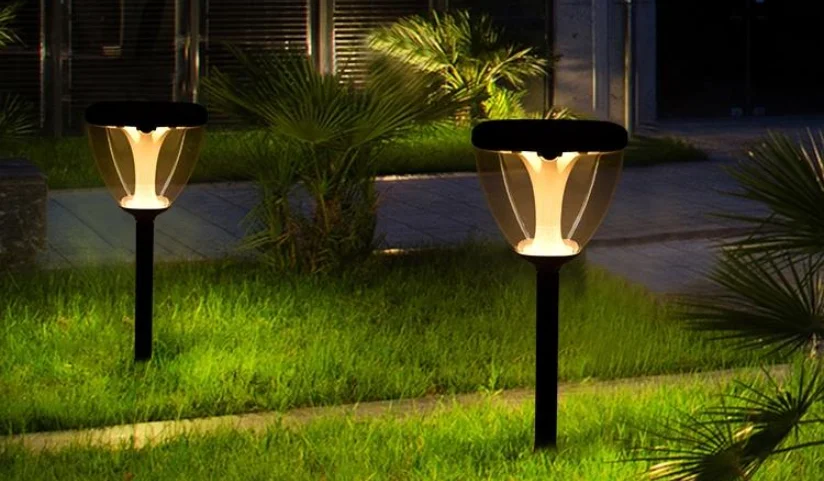
Solar Lights That Make Your Garden Just as Inviting After Dark
Your garden deserves a little attention after sunset, too. Discover lighting ideas that make outdoor spaces feel inviting long after daylight fades.
-

Auguste Mini Dresses You Will Want To Wear On Repeat
Some dresses look good once and then disappear into the wardrobe. These four Auguste styles are easier to imagine wearing again and again.
-

Weekday Clothing Picks For Men Who Need Better Everyday Jeans
Some trousers earn a permanent spot in your weekly rotation. These five Weekday Jeans are selected with easy styling and repeat wear in mind.
-

How To Choose Better Seats On Emirates Without Paying Unnecessary Fees
Understand seat selection charges before paying extra. Find out when better choices become free and which exceptions help families.