How To Make Your Garden Use Less Water Without Starting Again

A few targeted changes can cut unnecessary garden water use without stripping out lawns beds or established plants.
All featured products are selected by our editors and may include affiliate links. If you purchase through these links, we may earn a commission.
It’s frequently the first step to watering efficiently, not reworking the landscape, to watch your garden. Even if water use seems high, grass may remain, established beds may remain, and containers do not need to be replaced.
The practical purpose is to determine where water is going, whether by runoff, evaporation, bad timing or mismatched plant needs. This book illustrates how to evaluate existing behaviours, improve soil, alter watering and reduce demand gradually while keeping the garden usable and attractive.
Find Out Where Your Garden Is Using Water First
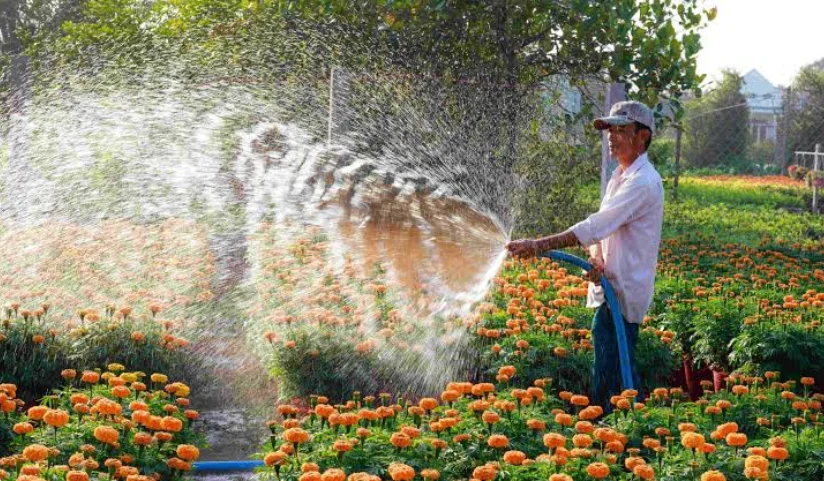
See what happens during a routine watering session before transplanting plants or getting rid of the lawn. Watering The Garden can seem effective at the tap, yet lose water someplace else. Check where the spray lands, which areas stay wet the longest and if water gets to soil before going toward asphalt, drains or walkways.
Sprinkler water should be kept on planted areas, and irrigation equipment should be checked routinely for leaks, broken heads, clogs and poor alignment, the EPA's WaterSense says. Minor faults produce recurring waste since they occur every time the system runs.
Look For Runoff And Inefficient Watering
Turn on the sprinkler or hose and observe how the soil behaves. If puddles develop rapidly, or water begins to flow downhill, the rate of application exceeds the pace at which the ground can absorb it. This is especially true in the case of clay soils and slopes.
A cycle and soak method can be helpful. Water for a shorter time, let the moisture get into the soil, and then start again. EPA advice recommends this strategy when clay or sloping ground causes pooling and runoff.
Identify Areas That Need More Water Than Their Use Justifies
A large lawn may still be useful for play, pets, or seating, but unused turf can consume water without providing much practical value. Watering The Garden becomes easier to manage when every area has a clear purpose.
Look for fence lines, odd corners and exposed spots next to fences where the grass dries sooner than the rest. Often those parts can be scaled back gradually or modified later without having to redo the entire garden. EPA also suggests maintaining turf where it has a practical purpose and considering site use before changing a landscape.
Use A Garden Water Audit Before Making Changes
A rapid audit translates ambiguous water use problems into actionable measures. Walk through the garden and write down what you observe. After a few days of hot weather, do this again, because then trouble areas seem to show up more clearly.
Garden Water Audit Checklist
Use this checklist before changing your Plant Watering Schedule.
- Check sprinklers for leaks, clogged heads, or spray hitting paving
- Look for puddles, runoff, and soil that stays soggy
- Seek out exposed soil where water quickly evaporates
- Note containers that dry significantly more quickly than adjacent beds
- Mark the parts of the lawn that are watered but rarely utilised
- Identify plants sharing one zone despite very different water needs
- Check whether shaded sections receive the same water as sunny sections
- Mark places where weeds fight hard for moisture
- Look for compacted soil that inhibits water infiltration
- Review recent rainfall before evaluating whether irrigation is needed
This audit gives you a practical starting point for Watering The Garden because each item points to a fix instead of a full redesign.
Improve Soil And Reduce Unnecessary Moisture Loss
Healthy soil holds water where roots can reach it. Compacted ground sheds water more easily, while very sandy soil can drain so quickly that plants need more frequent attention. Aeration can improve infiltration in compacted areas, and suitable soil amendments can improve moisture retention where conditions justify them.
Another helpful layer is mulch. According to EPA recommendations, mulch decreases evaporation, moderates soil temperature, inhibits weeds and can help soil hold onto water longer. For many landscape plants, a covering approximately three to four inches deep is recommended, with space allowed around trunks and woody stems.
Mulch still has to suit the site. In sunny places, rock can absorb heat and reflect it and this might increase water loss surrounding plants not acclimated to hot, dry conditions. Organic items like leaves, pine needles or wood chips can also help enhance soil as they break down.
Match Watering To Different Parts Of The Garden
One fixed Plant Watering Schedule rarely suits an entire garden. Sunny beds, shaded borders, containers, shrubs, and lawn can all lose moisture at different rates. WaterSense recommends grouping plants with similar needs into separate watering zones so each area receives an amount suited to its conditions.
That principle also helps to determine how much water a place needs. Instead of looking at one number each week, look at rainfall, soil moisture, plant status and weather. The EPA says landscape criteria depend on location, recent conditions and type of plant.
The best time to water plants is usually outside the hottest portion of the day, when evaporation is less. Local limits and climate are still relevant, so where rules apply the first concern should be guidance from regional water authorities.
A Watering System should also change with the season. Clock based timers can keep running after weather changes unless someone resets them. Weather based or soil moisture based controllers can adjust irrigation according to actual conditions and prevent watering when plants do not need it.
Reduce High Water Areas Gradually
Less wasteful watering of the garden doesn't mean you have to rip up every thirsty feature in one weekend. Start with areas that have minimal utility, and create evident maintenance concerns. It is easier to rethink a small strip of struggling lawn or an exposed bed that is always drying out than the entire garden.
Replace or cut back a high demand area, watch the watering and then see if another area needs attention. This strategy maintains functioning areas, but allows water use to decline through a series of little changes.
FAQs
How Often A Garden Really Needs Watering?
There is no range in common. EPA says landscaping needs depend on recent weather, local climate, rainfall and plant kind. Overwatering causes weak roots, pooling, illness and runoff. Water again when the soil feels dry, not just because the calendar says it’s time.
Whether Mulch Can Reduce Watering Needs?
Yes, if the mulch is okay for the plants and is used correctly. Mulch actually protects soil from direct light and air movement, slowing evaporation and increasing the time moisture is available near roots. It also helps discourage weeds that might otherwise compete for moisture.
Whether A Water Smart Garden Needs To Look Dry?
No. EPA examples include lawns kept for practical use, shrubs, shade trees, rain gardens, flowering plants, and other attractive features. Watering The Garden more efficiently comes from matching water to actual needs, improving soil, and reducing waste rather than forcing every landscape into the same visual style.
A useful garden can become far more water efficient through small, measurable changes. Start with an audit and eliminate obvious waste, then in phases tweak soil, timing, zones and high demand areas.
Follow TheWeeklyFind for more practical Home and Garden guidance.
Recent Blogs
-
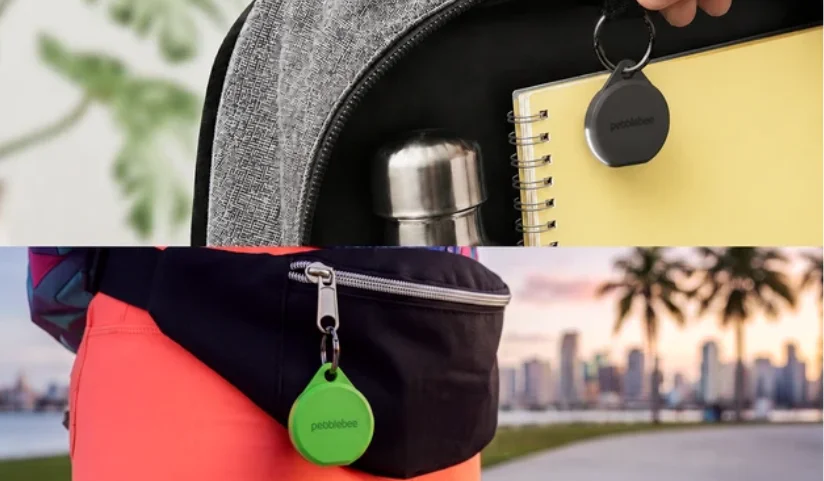
How to Use the Pebblebee Finder to Locate Your Lost Keys and Bags
Lost keys at home or left your bag somewhere? Discover how Clip 5 helps locate missing belongings and what to do when location updates stop.
-
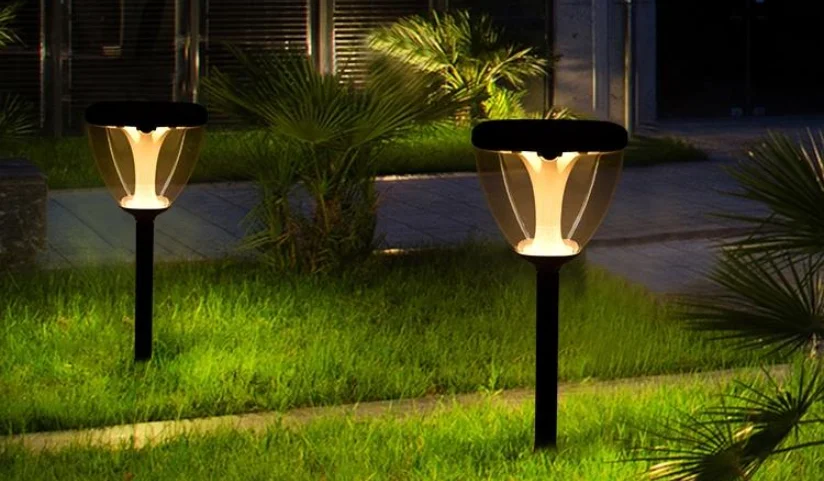
Solar Lights That Make Your Garden Just as Inviting After Dark
Your garden deserves a little attention after sunset, too. Discover lighting ideas that make outdoor spaces feel inviting long after daylight fades.
-

Auguste Mini Dresses You Will Want To Wear On Repeat
Some dresses look good once and then disappear into the wardrobe. These four Auguste styles are easier to imagine wearing again and again.
-

Weekday Clothing Picks For Men Who Need Better Everyday Jeans
Some trousers earn a permanent spot in your weekly rotation. These five Weekday Jeans are selected with easy styling and repeat wear in mind.
-

How To Choose Better Seats On Emirates Without Paying Unnecessary Fees
Understand seat selection charges before paying extra. Find out when better choices become free and which exceptions help families.