How Technology is Transforming Modern Homes

Technology is no longer just a luxury, it’s becoming an integral part of daily life. From smart thermostats and voice-controlled assistants to automated lighting and security systems, modern homes are smarter, safer, and more connected than ever before.
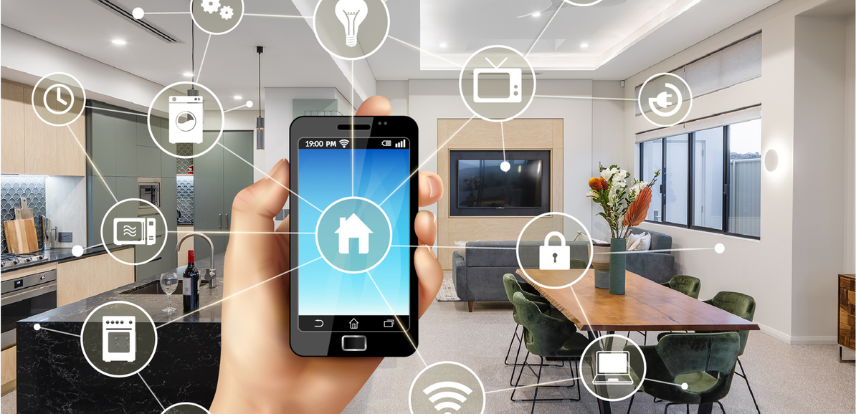
Technology has quietly transformed the way we live, turning unique ideas into everyday realities. From smartphones to voice assistants, it’s become a part of how we work, relax, and stay connected, often without even noticing.
A big part of this shift is the rise of “smart homes.” Today’s homes are filled with connected devices, intelligent lights, automated appliances, and smart security systems. That makes life easier, more efficient, and surprisingly personal. This piece explores how technology is reshaping modern homes, turning them into spaces that adapt to our needs and lifestyles.
Let’s take a closer look at how modern technology is affecting the modern household..
How Technology Is Changing Modern Homes
Here is how technology has an affect on modern houses..
Smart Home Devices and Automation
Smart home devices make life easier and more efficient. Voice-controlled lights, motion sensors, and smart thermostats adjust automatically, saving energy while keeping your home comfortable.
Security and convenience are smarter, too. Cameras, smart locks, and home assistants like Alexa or Google Home let you monitor, control, and manage your home with a simple command, creating a space that truly adapts to your lifestyle.
Energy Efficiency and Sustainability
Smart homes are not just convenient, they’re greener. Solar panels paired with smart energy systems optimize electricity use, while appliances are designed to consume less power without compromising performance. Water-saving devices and smart irrigation systems help reduce waste, lowering utility bills and shrinking your environmental footprint.
Entertainment and Connectivity
Modern homes are entertainment hubs. Streaming devices and multi-room audio let you enjoy music and movies anywhere, while smart TVs and home theaters offer AI-driven recommendations for what to watch next. Gaming setups now integrate seamlessly with smart home systems, all supported by high-speed internet and advanced home networking for smooth, uninterrupted experiences.
Health and Wellness Integration
Technology is helping homes support well-being. Smart air purifiers and climate control improve indoor air quality, while wearables connect to home fitness devices to track workouts. Sleep-focused tech, like smart beds and tracking systems, helps optimize rest, and mental wellness apps provide guided relaxation, creating a holistic, health-conscious environment.
Remote Work and Learning
Smart homes are also smart workspaces. Home offices benefit from adaptive lighting, ergonomic tech, and collaboration tools that make remote meetings seamless. For children, interactive tablets and learning devices transform education, offering engaging ways to study and explore while staying connected from home.
Challenges and Considerations
Here are some challenges and considerations that you need to know…
- Privacy: Smart devices collect personal data, raising security concerns.
- Cost: Upgrading to a full smart home can be expensive.
- Compatibility: Devices may not always work well together.
- Maintenance: Tech updates and obsolescence require ongoing care.
The Future of Smart Homes
The future of smart homes promises even more seamless and personalized living. AI-driven systems will anticipate your habits and needs, adjusting lighting, temperature, and appliances automatically to match your routine. Homes will evolve into fully integrated ecosystems, where all devices communicate effortlessly, creating a space that feels intuitive and almost alive.
Emerging trends point to exciting possibilities: robotics that assist with chores, advanced home automation that reduces manual tasks, and sustainable technologies that make eco-friendly living effortless. The smart home of tomorrow isn’t just about convenience; it’s about creating a space that adapts, supports, and enhances the way we live.
Technology is no longer just a convenience; it’s becoming the backbone of modern living. From smart devices that simplify daily tasks to energy-efficient systems that reduce environmental impact, the way we interact with our homes is evolving rapidly. While there are challenges to consider, such as privacy and costs, the benefits of connected, intelligent living are undeniable.
Stay tuned to TheWeeklyFind for more updates about Modern technology..
Recent Blogs
-

How to Use the Pebblebee Finder to Locate Your Lost Keys and Bags
Lost keys at home or left your bag somewhere? Discover how Clip 5 helps locate missing belongings and what to do when location updates stop.
-

Solar Lights That Make Your Garden Just as Inviting After Dark
Your garden deserves a little attention after sunset, too. Discover lighting ideas that make outdoor spaces feel inviting long after daylight fades.
-

Auguste Mini Dresses You Will Want To Wear On Repeat
Some dresses look good once and then disappear into the wardrobe. These four Auguste styles are easier to imagine wearing again and again.
-

Weekday Clothing Picks For Men Who Need Better Everyday Jeans
Some trousers earn a permanent spot in your weekly rotation. These five Weekday Jeans are selected with easy styling and repeat wear in mind.
-

How To Choose Better Seats On Emirates Without Paying Unnecessary Fees
Understand seat selection charges before paying extra. Find out when better choices become free and which exceptions help families.