Step-by-Step Guide to Training Your Dog at Home

Training your dog at home doesn’t have to be complicated or stressful. Whether you’ve just brought home a playful puppy or you’re working with an older dog that needs some guidance, consistent training helps build trust, improve behavior, and strengthen your bond.
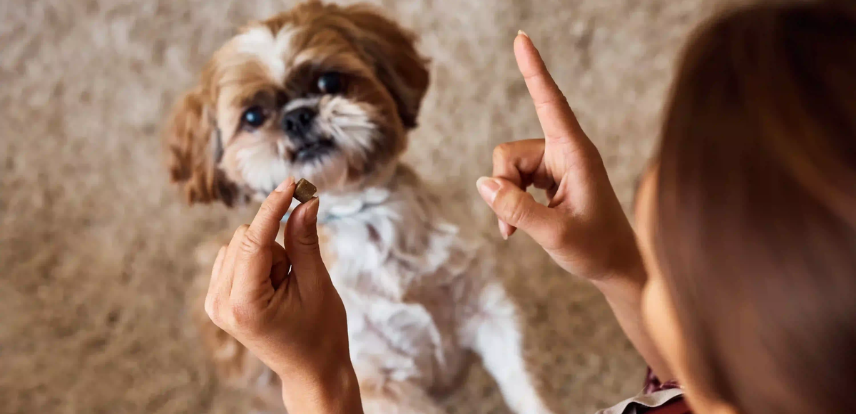
Training your dog at home is one of the most important investments you can make in building a strong, healthy, and lifelong bond with your pet. A well-trained dog is not only easier to manage in daily life, but also happier, more confident, and better able to understand expectations within the home environment.
Early and consistent training plays a crucial role in preventing unwanted behaviors before they become habits. Puppies, in particular, absorb information quickly, making the first few months the ideal time to introduce basic commands, house rules, and social behavior. However, even older dogs benefit greatly from structured, consistent training routines. Repetition, patience, and positive reinforcement help dogs understand what is expected of them.
Let’s take a look at how you can train your dog at home easily…
Steps to Training Your Dog at Home
Here are some of the steps that you need to look into to train your dog at home…
Set a consistent routine
Dogs learn best when they follow a predictable schedule. Try to train your dog at the same time every day so they know when to expect learning sessions. A fixed routine helps reduce confusion and builds discipline over time. Consistency in timing, commands, and behavior expectations makes training much more effective.
Start with basic commands
Begin with simple commands like sit, stay, come, and down. These basic instructions form the foundation of good behavior and make it easier to teach advanced skills later. Always use clear, simple words and repeat them in the same tone so your dog can easily understand and remember them.
Use positive reinforcement
Reward your dog immediately when they follow a command correctly. You can use treats, verbal praise like “good dog,” or gentle petting. Positive reinforcement helps your dog associate good behavior with rewards, making them more likely to repeat it in the future. Avoid punishment, as it can create fear and confusion.
Keep training sessions short and focused
Dogs, especially puppies, have short attention spans. Keep each training session around 10–15 minutes to maintain their focus and interest. Short, frequent sessions are more effective than long, tiring ones. End each session on a positive note so your dog stays motivated for the next lesson.
Be patient and consistent with your dog
Every dog learns at their own pace, so patience is very important. Repeat commands calmly and avoid getting frustrated if your dog doesn’t respond immediately. Consistency in your approach builds trust and helps your dog feel safe, which leads to better learning and long-term success.
Your dog’s energy level
Your dog’s energy level plays a big role in how well they can focus during training. If your dog is overly energetic or excited, they may find it difficult to sit still or follow commands properly. Before starting a training session, it’s a good idea to take your dog for a walk or allow them to play for a while so they can release extra energy. A slightly tired and relaxed dog is usually more attentive, calmer, and more willing to learn.
The health and comfort of your dog
Your dog’s physical and emotional condition directly affects how successful training will be. If your dog is feeling tired, hungry, sick, or uncomfortable, they will not be able to focus or respond well to commands. Always make sure your dog is in a healthy and relaxed state before training begins. A comfortable dog is more cooperative, learns faster, and is less likely to become stressed or frustrated during the process.
Training your dog at home is a rewarding journey that builds trust, discipline, and a stronger bond between you and your pet. With patience, consistency, and positive reinforcement, even basic commands can become second nature to your dog over time. Remember, every dog learns at its own pace, so staying calm and persistent is key to long-term success. By practicing regularly and avoiding common training mistakes, you can raise a well-behaved, confident, and happy companion right from the comfort of your home.
Stay tuned to TheWeeklyFind for more updates on training a dog…
Recent Blogs
-
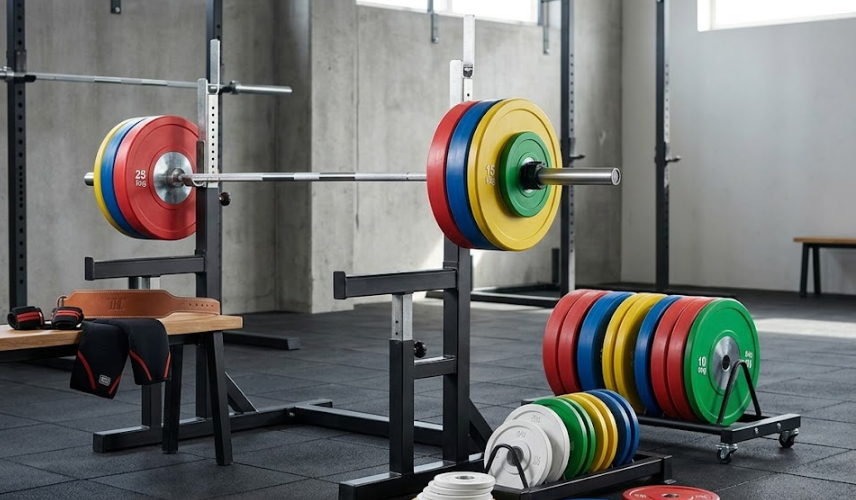
Luxiaojun Fitness Equipment Review: Top Picks for Strength Training
Explore Luxiaojun’s premium fitness equipment, including barbells, plates, and accessories. Find top picks and expert tips to upgrade your strength training setup.
-

The 5 Loungewear Sets We'd Reach for on Every Lazy Summer Weekend
Whether your ideal summer day involves reading on the patio, working from home, or enjoying a slow Sunday morning, these five loungewear sets combine comfort, style, and effortless versatility.
-

5 Fourth of July Finds That'll Make Your Backyard Celebration One to Remember
The best Fourth of July celebrations aren't about spending more. They're about creating unforgettable moments. Here are five standout finds that can help turn your backyard into everyone's favorite place this Independence Day.
-
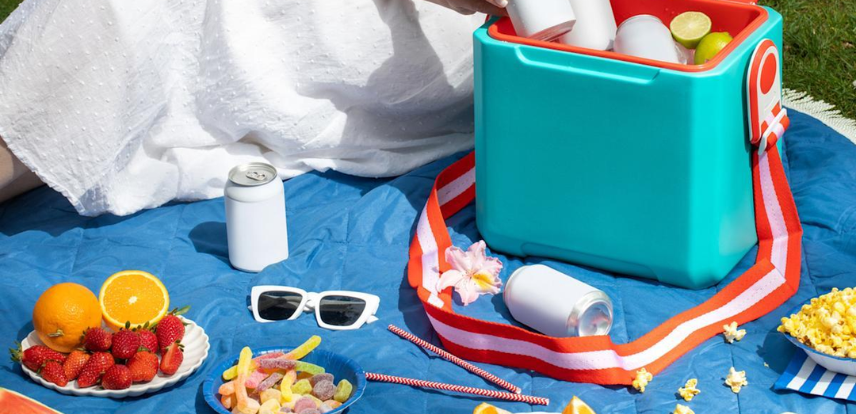
Beat the Heat: 5 Summer Essentials You'll Be Glad You Packed This Season
From long beach days to weekend road trips, these seven summer essentials can help you stay cool, comfortable, and prepared for whatever the season brings. Carefully selected from trusted brands, each pick combines style, practicality, and everyday convenience.
-
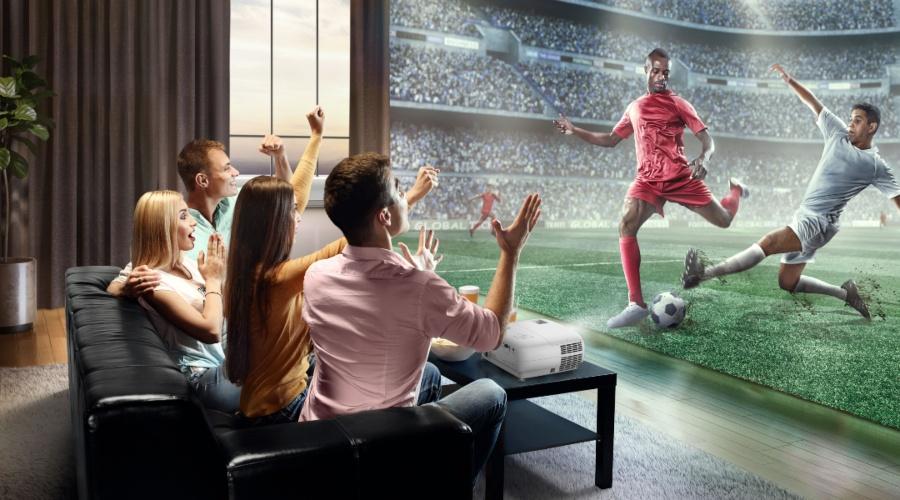
6 FIFA World Cup Essentials Every Soccer Fan Needs for Match Day
From immersive viewing upgrades to travel-ready gear, these six FIFA World Cup essentials can help every soccer fan create the ultimate match-day experience, whether they're watching from home or heading to the tournament.